
April 2026
Shincha – Japan’s First Tea Harvest
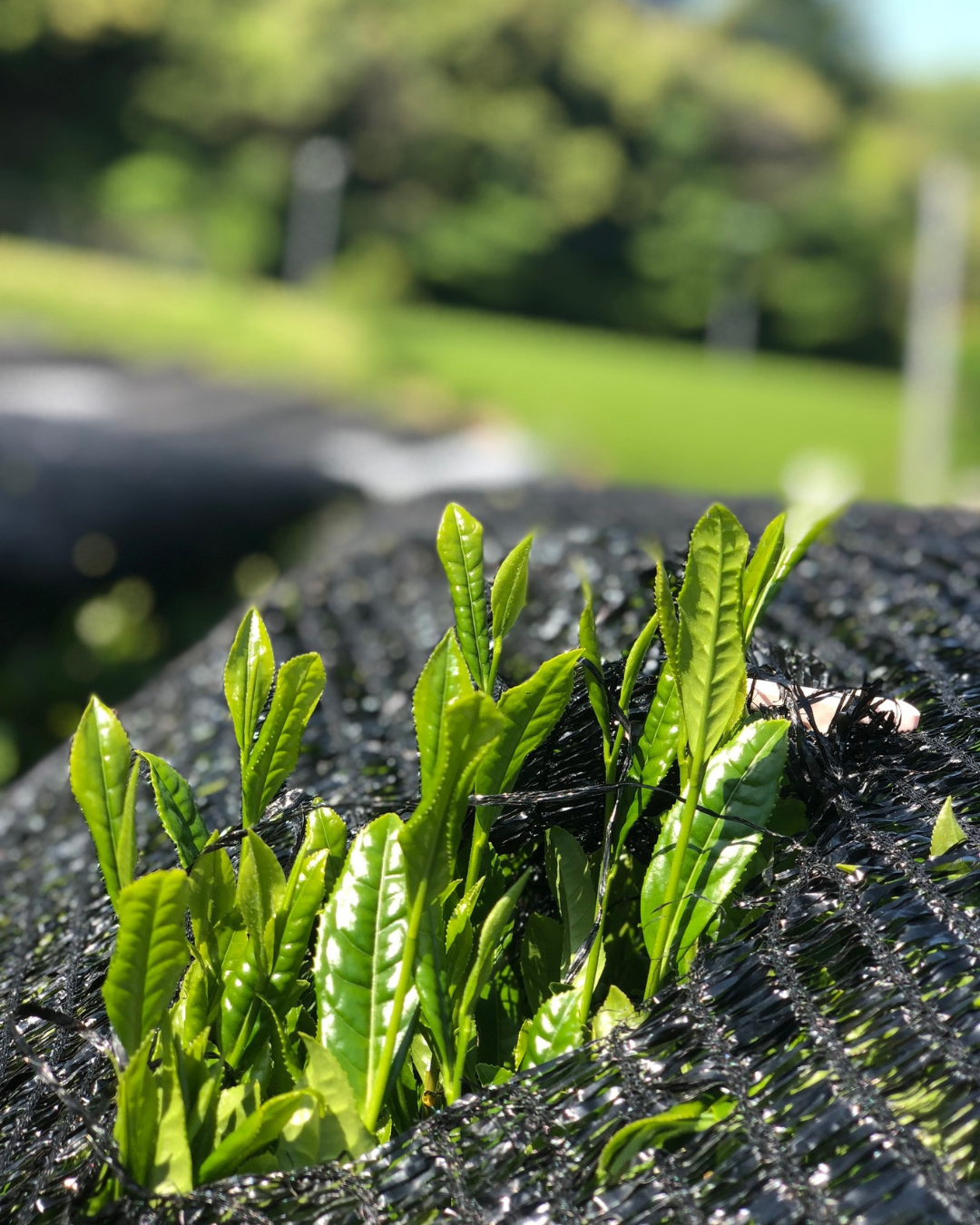
Spring is here, and the time has finally come: Japan’s tea harvests are beginning. And once again, one word is on everyone’s lips: Shincha. Meaning “new tea,” Shincha describes the unmistakably fresh and highly sought-after first tea of the year. In Japan, people line up outside stores to get their hands on the finest grades. But what makes Shincha so special?
Full-bodied, fresh, single-varietal – A Seldom Opportunity
No other harvest offers the same freshness as the first. The still-cool temperatures cause the young shoots to grow very slowly, so they are bursting with flavor. A complex profile of amino acids accumulates in the vibrant green leaves—the source of the uniquely fresh and almost fruity taste that has delighted people for generations.
In addition, Shincha harvests are often single-varietal. This means that the harvests from individual cultivars are not blended, allowing us to experience the distinctive characteristics of each cultivar in their purest form—and at their very best and freshest.
Yabukita, Okumidori, Asatsuyu – carefully cultivated, internationally prized
These cultivars are what make Japanese tea cultivation so special. This is because the various cultivars are not plants grown from seed, but clones of carefully bred mother plants. Each one offers characteristics—such as sweetness, umami, or yield—that make it unique.
These cultivars bear names such as Yabukita, Okumidori, and Asatsuyu and are prized by connoisseurs much like wine grape varieties. And this appreciation extends far beyond Japan’s borders—and it is precisely this national and international demand that makes shincha so precious.